Scoob & I Dog Training
Free Dog Training Guides
Practical help for real problems — written by Joel Harrison, owner of Scoob & I Dog Training with 1,000+ dogs trained.
Find your starting point →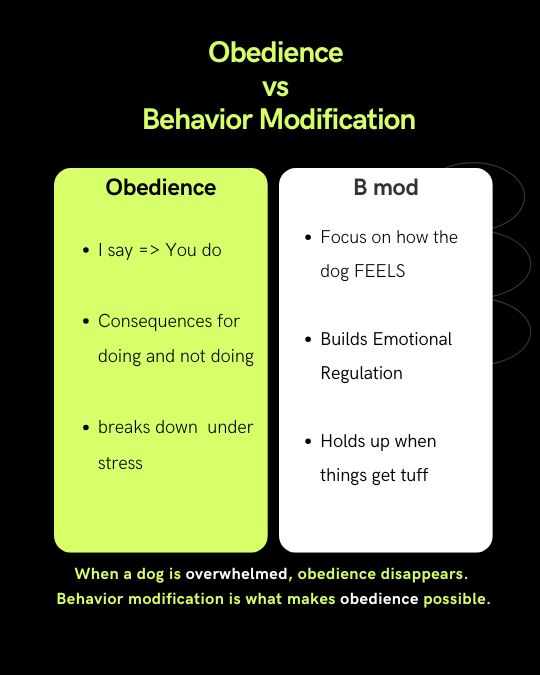
"I did virtual training with @scoobandi and she went from not being able to walk past other dogs to being able to roll in the grass while other dogs passed."
Daniella C. · TikTok comment on virtual training
Free Guides
Start with your dog's biggest problem
Each guide explains the issue from the ground up — what it is, what causes it, and what you can do about it.
Dog Anxiety
Why dogs get anxious, what it looks like, and what you can actually do about it — without making things worse.
Leash Reactivity & Walking
Why your dog pulls, lunges, and loses their mind on leash — and the method that actually fixes it.
Resource Guarding
One of the most misunderstood behaviours in dogs — what it is, why it escalates, and how to stop it safely.
The Method
The method behind the results
Every guide on this page is built around the same core idea: relationship first, training second.
Commands do not fix anxiety. Corrections do not fix reactivity. The dogs that make real, lasting progress are the ones whose owners understood what was actually going on — and responded accordingly.
Find your starting point →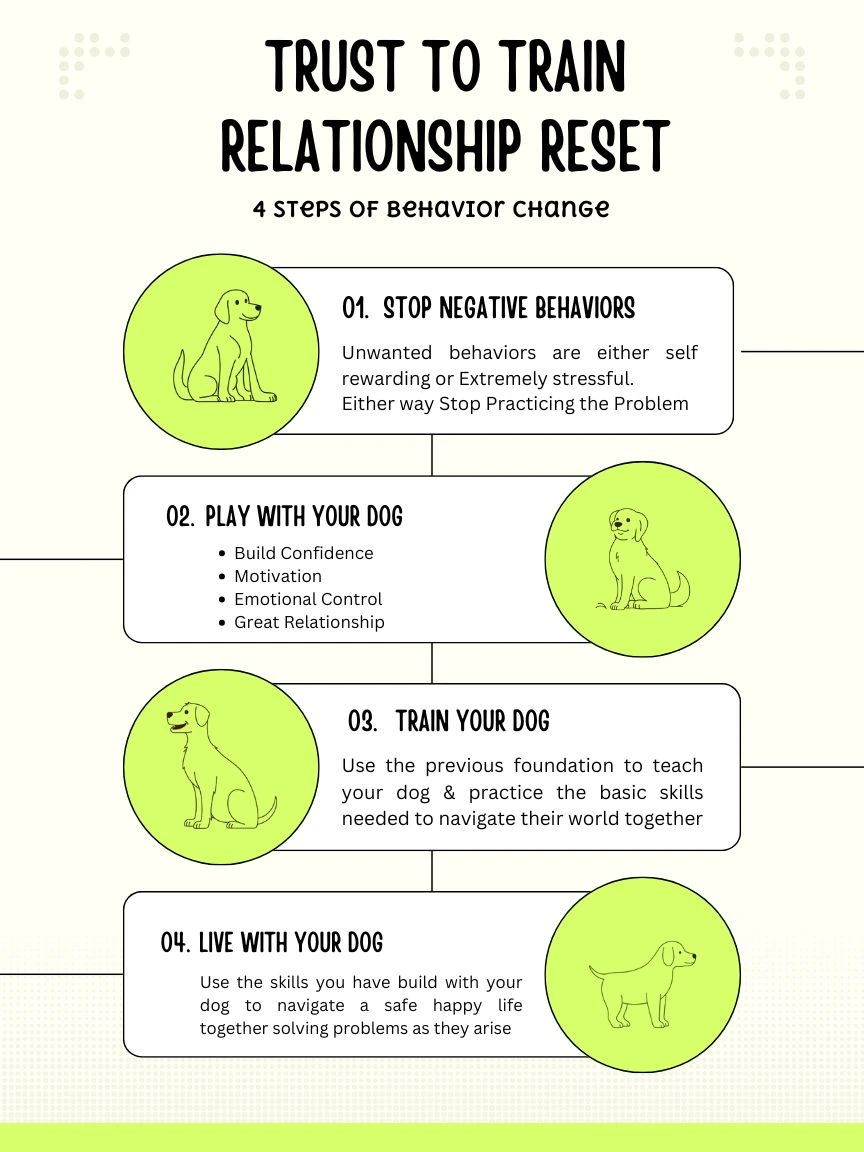
Client results
Why this method works for real owners
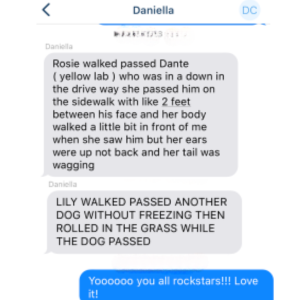
Daniella C. · Click to read
"I did virtual training with @scoobandi and she went from not being able to walk past other dogs to being able to roll in the grass while other dogs passed."
Daniella C. · TikTok comment
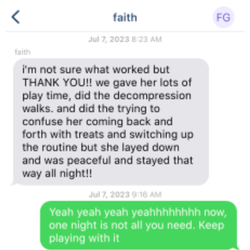
Faith G. · Click to read
Common Questions
Questions about the guides
Dog anxiety can show up as panting, pacing, destructive behaviour, excessive barking, or withdrawal — sometimes all at once. It is often mistaken for bad manners, which leads to the wrong approach. Understanding the root cause is the first step to making real progress.
Leash reactivity is usually a combination of frustration, fear, and rehearsed habit. The leash restricts your dog's ability to respond naturally, which builds tension. The good news is that it is very trainable once you understand the mechanics — the Leash Reactivity Guide explains the method that actually works.
Resource guarding ranges from mild growling to biting, and it escalates when handled incorrectly. The most common mistake is punishment — which suppresses the warning signal without addressing the underlying anxiety. With the right approach, resource guarding can be managed safely and, in many cases, significantly reduced.
Obedience training teaches skills — sit, stay, recall. Behaviour modification addresses emotional responses — anxiety, reactivity, aggression. Dogs with behaviour issues need more than commands. They need a change in how they feel about the world around them.
The best starting point depends on your dog's specific issue and how severe it is. The guides on this page give you a clear picture of each problem and the best next step. If you are still unsure, the 2-minute quiz will point you in the right direction.
Not sure where to start?
Take the 2-minute quiz and we'll point you in the right direction.