Why dogs guard
Genetics, life experience, pain, temperament, learning history, and relationship all matter.
Free 17-minute behavior class
Learn what your dog is afraid of losing, how common reactions can make guarding worse, and the safety-first path to changing the behavior.
Answer 11 questions and get a personalized starting point based on behavior, recovery, safety, and engagement.
Inside the class
The goal is not to “win” an object from your dog. It is to reduce danger, stop rehearsing the pattern, and build a dog who no longer believes aggression is the only useful choice.
Genetics, life experience, pain, temperament, learning history, and relationship all matter.
Both backing away and pushing through can strengthen the behavior once guarding begins.
Manage access, avoid confrontation, create distance, and use a safer live-incident plan.
Stop the pattern, build through play, train usable skills, then apply them to real life.
Prefer to read or need a quick reference?
This is the useful written companion to the class, not a second 17-minute transcript.
Start here
A dog who eats faster, circles a bowl to avoid a hand, takes an object and runs, or hides under furniture is already trying to keep a resource.
The dog does not need to be growling for the underlying concern to exist. Genetics can create the possibility of guarding. Life experience, including experiences before you met the dog, can shape whether it appears and how strongly. Pain, temperament, past punishment or reward, and the dog’s relationship with the person also influence tolerance.
Early warning signs
Resource guarding is not only growling and snapping. Early discomfort may be quieter:
Fast eating, moving away, hiding with an object, or guarding the space around an item can also show that the dog is trying to control access.
The trap
The dog may learn that the threatening behavior worked and repeat it next time.
The dog may decide the warning was not intense enough and greater escalation is necessary.
Punishment may prove the dog right to be afraid of you.
Phase 1 · Stop making it worse
Remember
Two dogs can rest peacefully, then one leaves for water and returns to a picture that has changed. Stable moments are easier. When the picture changes, pay attention.
Phase 2 · Handle live incidents
Phase 3 · Build trust to train
Prevent rehearsal and create safety.
Build motivation, confidence, relationship, and emotional control.
Build reliable skills that work beyond the living room.
Apply those skills safely in real life.
Skills such as down, stay, place, drop it, leave it, and look at me matter. But obedience alone rarely changes how the dog feels. The relationship, reduced day-to-day stress, confidence, and emotional control built before real-life application are a large part of the solution.
When to get help
Your next step
The assessment will help you identify whether the responsible starting point is management, foundational training, personalized support, or a safety-first conversation.
No shame. No pressure. Start with the clearest next step.
About your instructor
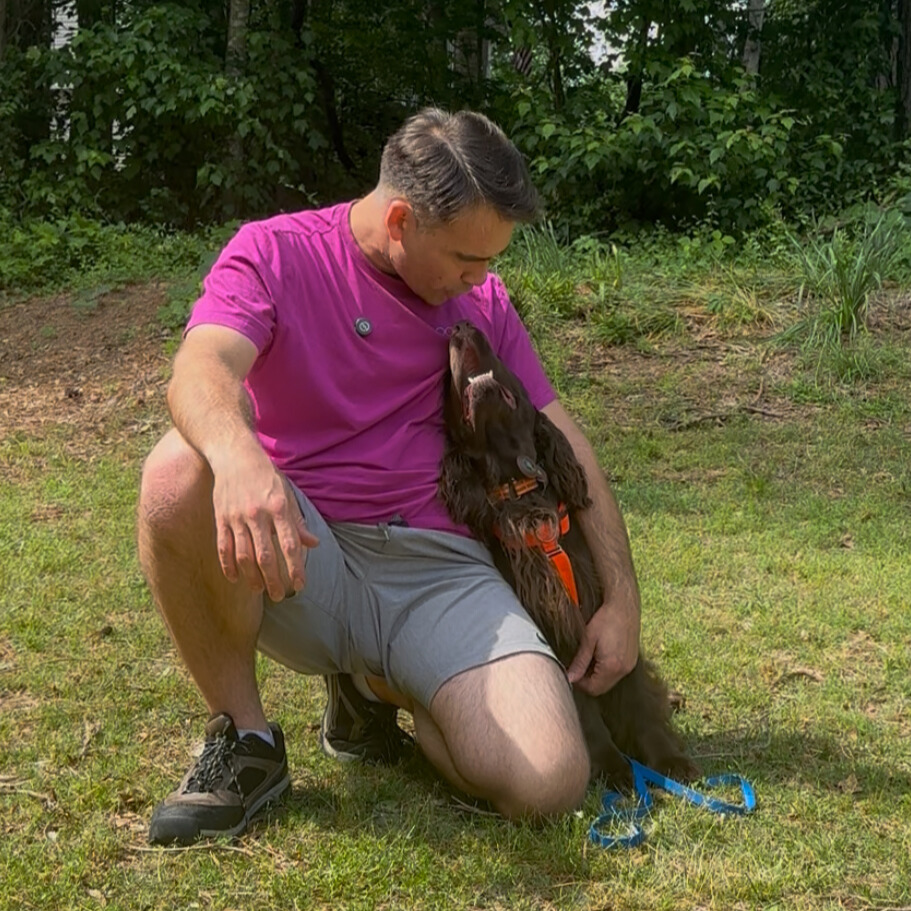
Founder of Scoob & I Dog Training. Joel works with owners in person and virtually on difficult behavior, including reactivity, anxiety, aggression, and serious resource guarding.